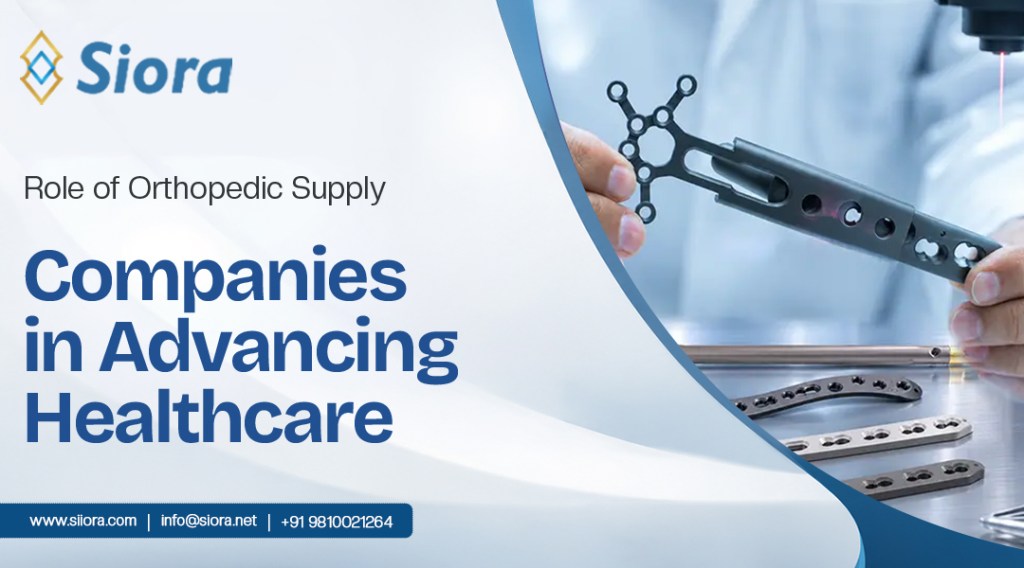
Modern healthcare depends on more than skilled doctors, advanced hospitals, and innovative treatment methods. The availability of reliable medical devices and surgical instruments also plays an important role in improving patient care. This is particularly true in orthopedics, where treating fractures, joint problems, spinal disorders, and other musculoskeletal conditions often requires specialized implants and instruments. Orthopedic supply companies help bridge the gap between medical innovation and its practical application by providing healthcare professionals with the products they need to treat patients effectively.
As the demand for orthopedic procedures continues to grow, these companies are becoming increasingly important in supporting hospitals, surgeons, and healthcare systems worldwide.
Improving the Availability of Orthopedic Implants and Instruments
One of the primary responsibilities of orthopedic supply companies is to ensure the availability of essential medical products. These include bone plates, screws, intramedullary nails, joint replacement components, spinal implants, and surgical instruments.
Timely access to these products helps hospitals plan surgical procedures and manage their inventory more efficiently. A dependable supply chain can also reduce disruptions caused by product shortages, particularly in facilities that handle a high volume of trauma and emergency cases.
By offering a broad range of orthopedic solutions, suppliers help healthcare providers select products suited to different fracture patterns, anatomical requirements, and surgical approaches.
Supporting Innovation in Orthopedic Treatments
Orthopedic healthcare continues to evolve through advances in implant design, materials, and surgical techniques. Supply companies contribute to this progress by investing in product development, improving manufacturing processes, and responding to the changing requirements of surgeons.
For example, modern locking plate systems can provide stable fixation in appropriate fracture cases, while intramedullary nails are widely used for the fixation of selected long-bone fractures. Titanium and medical-grade stainless steel are also commonly used in orthopedic implants because of their relevant mechanical and biocompatibility properties.
These developments give surgeons access to different treatment options. However, the suitability of an implant depends on the patient’s condition, the fracture characteristics, and the surgeon’s clinical judgment.
Maintaining Product Quality and Safety Standards
Patient safety is a central concern in orthopedic surgery. Since implants may remain inside the body for extended periods, their quality, manufacturing consistency, and traceability are essential.
Responsible orthopedic supply companies follow appropriate quality management procedures, inspect products at different manufacturing stages, and maintain documentation to support regulatory compliance. Depending on the product and target market, relevant requirements may include ISO 13485 quality management systems and applicable medical device regulations.
Proper cleaning, packaging, labelling, and storage are equally important. Consistent quality controls help reduce preventable product-related risks and build confidence among hospitals, surgeons, and distribution partners.
Making Orthopedic Care More Accessible
The cost and availability of medical devices can influence how healthcare facilities deliver treatment. Orthopedic supply companies can support accessibility by improving production efficiency, developing cost-conscious solutions, and building dependable distribution networks.
Working with local distributors and hospital procurement teams can help products reach healthcare facilities in different regions, including areas with limited access to specialized medical resources.
For hospitals, a reliable supplier can also simplify procurement and inventory planning. Nevertheless, affordability must go hand in hand with product quality, regulatory compliance, and clinical suitability.
Strengthening Partnerships with Healthcare Professionals
Effective orthopedic care requires cooperation between manufacturers, suppliers, surgeons, hospital administrators, and other healthcare professionals. A reliable orthopedic supply company can contribute by providing accurate product information, technical documentation, and appropriate training on device handling and instrumentation.
Listening to feedback from surgical teams also helps manufacturers identify opportunities to improve product usability and instrument design. These partnerships encourage continuous improvement while keeping patient needs at the centre of product development.
Conclusion
Orthopedic supply companies are an important part of the healthcare ecosystem. Their contribution extends beyond manufacturing and distributing implants; it includes supporting innovation, maintaining quality standards, improving product availability, and collaborating with healthcare professionals.
As orthopedic treatments advance, companies that prioritize safety, reliability, responsible innovation, and customer support will continue to play a valuable role in strengthening healthcare delivery and helping medical professionals provide better-informed treatment options to patients.

